Public offices across Pinellas County serve residents, businesses, and community organizations every day, making efficiency and reliability important parts of their operations. Smart technology can help government offices improve the way employees manage lighting, climate control, audiovisual systems, security, and shared spaces. When these systems are integrated thoughtfully, staff members can spend less time adjusting equipment manually and more time assisting the public. Smart building features can also help offices create environments that are more comfortable, organized, and adaptable to changing operational needs.
Improving Lighting and Energy Management
Lighting is one of the most practical areas where smart technology can make a difference. Public offices often contain reception areas, private offices, meeting rooms, hallways, and service counters that may have different lighting requirements throughout the day. Automated lighting systems can adjust brightness based on schedules, occupancy, or natural daylight. Working with a provider such as Paradise Systems can help public facilities explore integrated solutions that coordinate lighting with other building technologies. Smart controls may also reduce unnecessary electricity use by automatically turning off lights in unused areas.
Supporting Comfortable Indoor Environments
Maintaining comfortable indoor temperatures is essential in Pinellas County, particularly during warmer months. Smart thermostats and automated climate controls can help public offices manage heating and cooling more efficiently while maintaining consistent conditions for employees and visitors. These systems can be programmed around office hours and adjusted based on occupancy. Conference rooms or public meeting spaces, for example, may require different temperature settings when they are fully occupied. Automated controls can help facilities respond to these changes without requiring constant manual adjustments.
Enhancing Meeting and Presentation Spaces
Public offices frequently host staff meetings, community presentations, training sessions, public hearings, and virtual conferences. Integrated audiovisual technology can make these activities easier to manage. Smart displays, microphones, speakers, cameras, and presentation systems can be connected through centralized controls, allowing employees to prepare meeting spaces quickly. Simplified technology also reduces the time spent troubleshooting equipment before an important presentation. Reliable audiovisual systems are especially valuable for hybrid meetings where participants may be attending both in person and remotely.
Strengthening Building Security
Smart technology can also support security throughout government buildings. Connected cameras, access control systems, smart locks, and monitoring equipment can help facilities manage who enters restricted areas. Employees may use secure credentials instead of traditional keys, making it easier to manage access when staffing changes occur. Security systems can also provide alerts or monitoring capabilities outside regular office hours. When designed carefully, these technologies can help protect employees, visitors, records, and equipment without making public spaces feel unwelcoming.
Supporting Flexible Workspaces
Modern public offices may need to accommodate changing staffing levels, shared work areas, or multipurpose rooms. Smart controls make it easier to adapt spaces for different activities. A meeting room might serve as a training area in the morning and a community presentation space later in the day. Preset lighting, display, audio, and climate settings can help employees change the environment quickly. This flexibility allows offices to make better use of existing space while supporting a wider range of public services.
Improving Accessibility and Communication
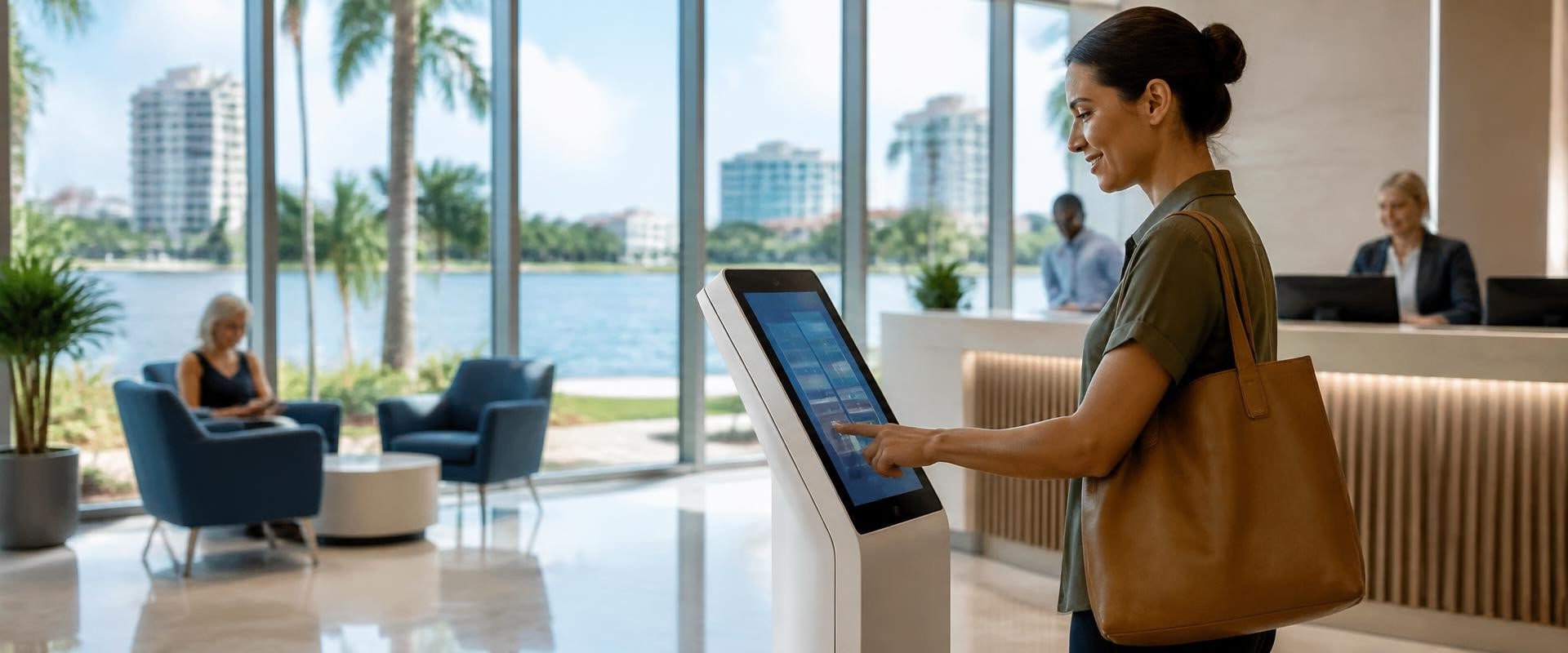
Technology can help make government services more accessible. Digital displays can provide directions, announcements, appointment information, or emergency notifications throughout a facility. Audiovisual systems may support hearing assistance, captions, or remote participation during public meetings. Automated lighting and environmental controls can also contribute to safer, more comfortable spaces for individuals with different needs. These features help public offices communicate information clearly while creating a more inclusive environment.
Simplifying Facility Management
Centralized smart systems can give facility managers greater visibility into how different parts of a building are operating. Lighting, climate controls, audiovisual equipment, and selected security systems may be managed through a single interface. This can make it easier to identify equipment that requires attention and schedule maintenance before a problem becomes disruptive. Automated schedules can also help ensure that systems operate only when necessary.
Building Smarter Public Offices
Smart technology offers Pinellas County public offices practical ways to improve efficiency, comfort, communication, security, and energy management. By integrating connected systems thoughtfully, facilities can create workspaces that are easier for employees to manage and more convenient for the public to use. As technology continues to evolve, scalable smart solutions can also help government offices prepare for future operational needs while making better use of existing buildings and resources.